Orders: Team@xtremegear.ca Support: 1 (877) 219-9217

Support: Team@xtremegear.ca Chat: 1 (877) 219-9217
Free Shipping Orders Over $100.00
2-3 Day Shipping Available Most US & Canadian Cities


Studio
GYM
1.
Start
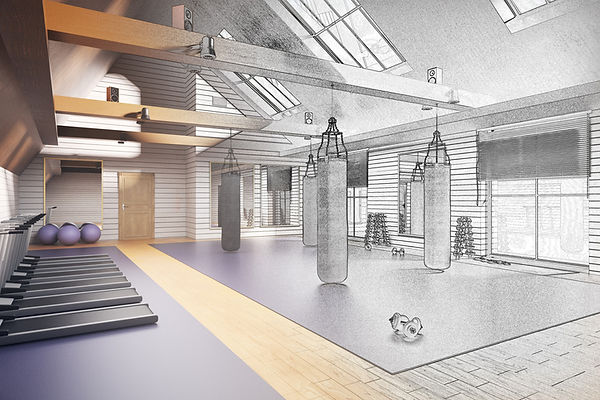
Define the program for your studio space. It all begins with understanding how you will use the studio space to fulfill your brand promise. This requires knowing exactly what amenities, programs and services you want to provide. Knowing exactly how you will use the space will establish what has to happen with the design. Whether you will have yoga, Pilates or small group training, it is important to understand the needs of your audience and what activities will be offered in the studio.
2.
Environment
Make them sweat for the right reasons. We all know that clients mistakenly believe that the more they sweat, the better their workout was. Well, you want clients to perspire when they work out, but it should be a consequence of a properly prescribed exercise regime, not a physical environment that is improperly ventilated. One of the most critical elements of design is having good ventilation that allows the studio space to be maintained at the proper temperature and humidity while also providing sufficient cross ventilation.
3.
Space
Allow for enough space. Overcrowding is the most frequently heard complaint among members and former members of health and fitness clubs. Clients want some personal space when they exercise; they don’t want to be rubbing shoulders or other body parts with strangers. Although your goal as a studio operator is to get as many clients as possible into your space, you also want to accommodate people’s need for personal space. Beyond the issue of personal space, safety is also an issue. When space is limited, it increases the likelihood that an accident could occur. In general, you want to allocate between 10 and 20 square feet for each member you expect to have, or you should allocate at least 40 square feet for each client you expect in your studio at any given time.
4.
Lighting
Remember lighting. One of the more critical elements for creating the right environment for your studio involves lighting design. Lighting is more than just providing a sufficient level of lighting; it’s about creating a mood, generating energy and fulfilling the promise of the experience you are trying to create. If your studio will be dedicated to delivering a great yoga experience, using light fixtures made from natural elements can help to create a peaceful environment. If your fitness studio is going to focus on the delivery of small group training classes that depend on a dynamic environment, then you might want spot lights or colored LED lights that add drama.
5.
Accessories
Leave space to store your accessories. There is nothing worse that entering a fitness studio and having to immediately engage in agility movements to avoid stumbling over accessories (e.g., hand weights, dumbbells, weight plates, medicine balls) that are scattered throughout the space. Creating sufficient storage space will ensure that your employees and clients don’t have to dodge items left on the floor, and also will ensure that your studio presents itself professionally to prospective clients. Having sufficient storage space can lessen the costs associated with liability claims resulting from clients and/or employees injuring themselves as the result of exposure to improperly stored equipment. Ideally you want to allocate about 5 percent to 10 percent of your entire space to storage.
6.
Corporate Space
Incorporate space to gather. If your fitness studio will target group exercise activities such as barre, group cycling or yoga, then it is beneficial to create a social gathering space or pre-assembly area adjacent to the group exercise spaces that allows clients to socialize prior to and after taking classes. If your studio will focus on personal training, then you want to have a location were clients can gather if they choose. The social element is important in helping clients establish relationships with other clients.


